
 Gosstandart
Gosstandart today
published 20.04.2022 14:04
The State Committee for Standardization of the Republic of Belarus (hereinafter - Gosstandart) celebrates 30 years since its establishment.
On April 17, 1992 the Committee for Standardization, Metrology and Certification under the Council of Ministers of the Republic of Belarus was established, marking the beginning of public administration in these fields of activity in the Republic of Belarus.
A long and difficult way has been passed over the past years, which is closely connected with the solution of urgent tasks of economic and social life of the country.
Today Gosstandart is a republican body of state administration for performing a unified state policy in the field of technical norm-setting, standardization, ensuring the uniformity of measurements, conformity assessment and accreditation, energy efficiency, supervision in construction and state expertise of design documentation, as well as supervision of technical regulations and standards, rational use of fuel, electricity and heat energy.
The Committee consists of the central apparatus, including the Department of Control and Supervision of Construction and the Department of Energy Efficiency, and 53 subordinate organizations located in all regions of Belarus.
The flagships of the development of the main activities of Gosstandart are the national institutes: on standardization – Belarusian State Institute for Standardization and Certification; in the field of metrology – Belarusian State Institute of Metrology.
The functions of the national accreditation body are performed by Belarusian State Centre for Accreditation.
The Belarusian State Institute for Advanced Training and Retraining of Personnel in Standardization, Metrology and Quality Management implements educational programs taking into account modern trends and technologies.
In the regions the conductors of the state policy in the spheres of activity of Gosstandart are territorial centres of standardization, metrology and certification, as well as inspections and subsidiaries located in regional centers and major industrial cities.
Technical legislation provides a sustainable platform to promote the production of safe and high quality products and services, increase their export potential, introduce innovation, and protect the interests of consumers. At present, the country has modern laws in the field of technical regulation and standardisation, uniformity of measurements, conformity assessment with technical requirements and accreditation of conformity assessment bodies. At the same time, serious steps have been taken to develop a separate law in the field of accreditation. The Government has agreed on the concept of the Law of the Republic of Belarus "On Accreditation in the National Accreditation System", a draft of this document will appear in 2023. This will promote harmonisation of accreditation procedures with the CIS, EAEC and best international practices, increase the efficiency of the national accreditation system, competence of accredited entities and the level of confidence in their activities.
Legislation in the field of energy saving is being improved in accordance with the demands of the economy and society. Profile structures of Gosstandart are also contributing substantially to the development of legislation in the field of construction activities.
Annually, over 500 governmental standards are adopted in Belarus with the purpose of ensuring the development and production of competitive products and services, as well as the implementation of the mandatory requirements of EAEU technical regulations.
The most significant developments relate to products and processes in mechanical engineering, construction, electrical engineering, chemistry and petrochemistry, energy saving, agro-industrial and other sectors, as well as information and "green" technologies and the creation of a barrier-free environment. The level of harmonisation of standards adopted in Belarus with international and regional requirements is on average 65%.
The database of existing state standards contains over 30,000 documents. More than 80% of them are interstate standards (GOSTs), the application of which contributes to barrier-free trade in the framework of integration formations in the post-Soviet space.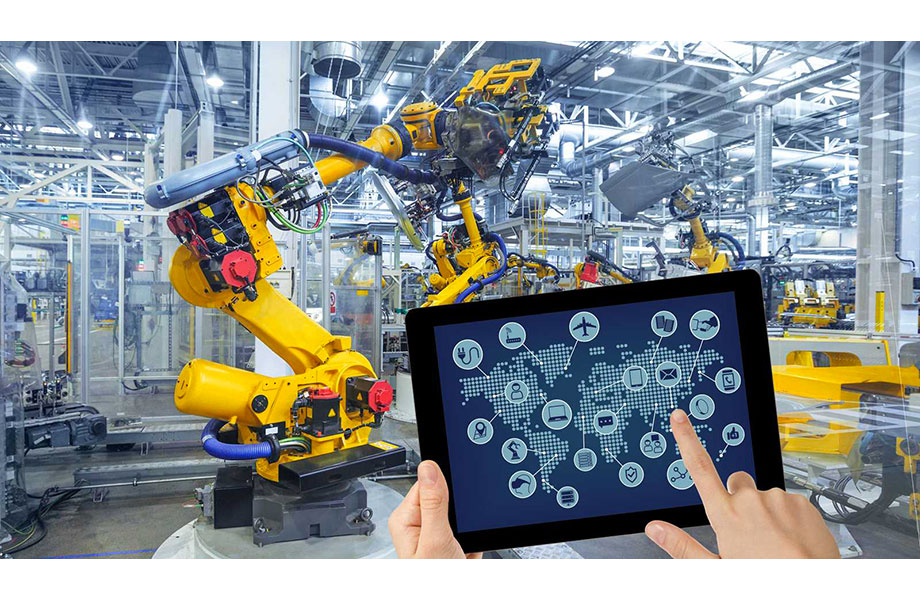
A number of initiatives by Gosstandart to further deepen integration in technical regulation are being implemented on the EAEU platform. In particular, the EAEU Treaty is being adjusted, and the rules for developing technical regulations and second-tier documents establishing procedures for conformity assessment and supervision are being improved. A comprehensive approach is being considered to organise and finance work by the Eurasian Economic Commission to update the requirements of technical regulations and develop GOSTs for them.
The organizations of Gosstandart are preparing amendments to 7 EAEU technical regulations: on packaging, toys, perfumes and cosmetics, machinery and equipment, lubricants and oils, labelling of food products, as well as requirements to limit the use of hazardous substances in electrical and radioelectronic products.
In May 2022, amendments to the technical regulations for agricultural and forestry tractors prepared by Gosstandart will come into force.
The amendments take into account accumulated application practices and current market requirements.
At present, more than 80% of the products sold on the markets of EAEU member states are subject to the requirements of AEEU technical regulations. A total of 52 of these technical regulations have been adopted, 45 of them have entered into force.
Belarus has an effective and developed metrology infrastructure, which includes the State Metrology Service, as well as metrology services of state administration bodies and enterprises of the country.
The development of the measurement capabilities is supported by the State under the sub-programme "Standards of Belarus" of the State science and technology programme "National Standards and High-Technology Research Equipment". Today the National Standard Base includes 63 national measurement standards, necessary for nuclear power, micro- and nanoelectronics, aerospace and geodesy, instrument-making, IT, pharmaceuticals, trade, medicine, environmental protection. They are being developed taking into account the needs of the country's economy. There are plans to establish 11 national measurement standards and upgrade 10 national measurement standards by 2025.
The international level of national measurement standards is confirmed by comparison with standards of other countries. Currently, 296 CMC lines have been published in the KCDB BIPM database of the best calibration and measurement capabilities of Belarus in such fields of measurement as length, time and frequency, electricity and magnetism, acoustics, thermometry, mass and related quantities, chemistry, etc.
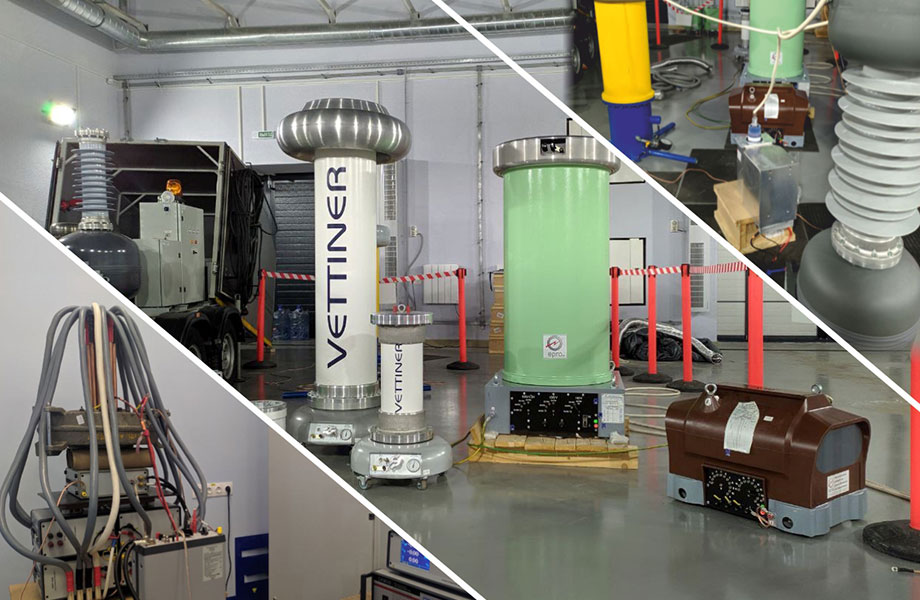
In the field of conformity assessment and accreditation, Gosstandart has established an appropriate infrastructure, including 129 certification bodies and over 2,100 accredited testing laboratories. They carry out work both within the framework of national legislation, ensuring compliance of manufactured products with the requirements of EAEU law in the field of conformity assessment, and to create favourable conditions for the export of products.
More than 200 calibration, verification and medical laboratories, 28 inspection bodies and 5 proficiency testing providers are included in the register of the National Accreditation System of the Republic of Belarus.
The Republic of Belarus has the status of a signatory to global agreements on the creation of conditions for the recognition of conformity assessment results with international and regional accreditation organisations.
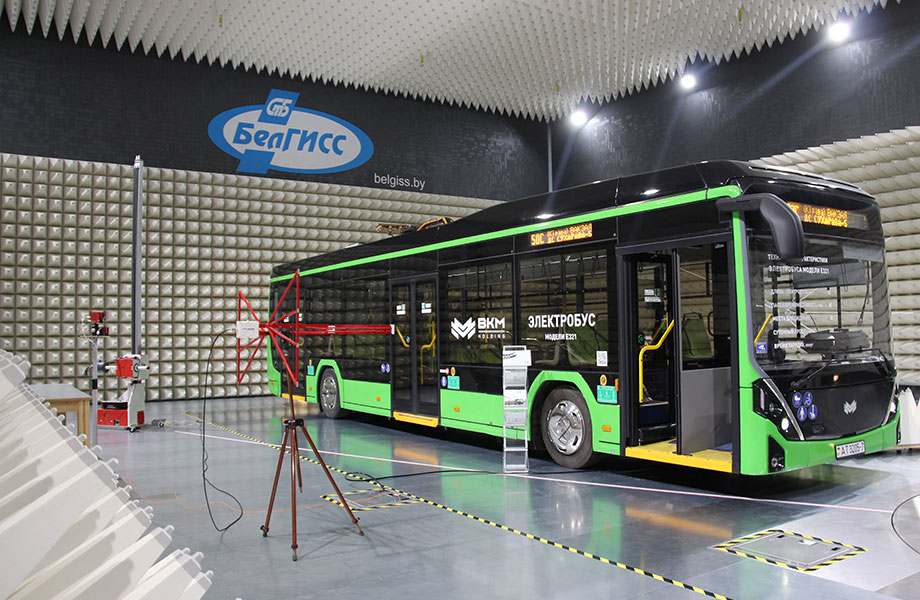
Among the priorities is the protection of the market from unsafe and low-quality products. In accordance with the current legislation, there is constant control over the compliance of goods supplied to the domestic market with the mandatory requirements and declared characteristics.
Products that pose a threat to the life and health of consumers are banned from sale and import into the territory of the Republic of Belarus. Each year more than 1,500 dangerous products are banned from import and circulation in the territory of Belarus. Such products are subject to withdrawal by the business entity from circulation, with subsequent elimination of detected violations, return to the supplier or disposal.
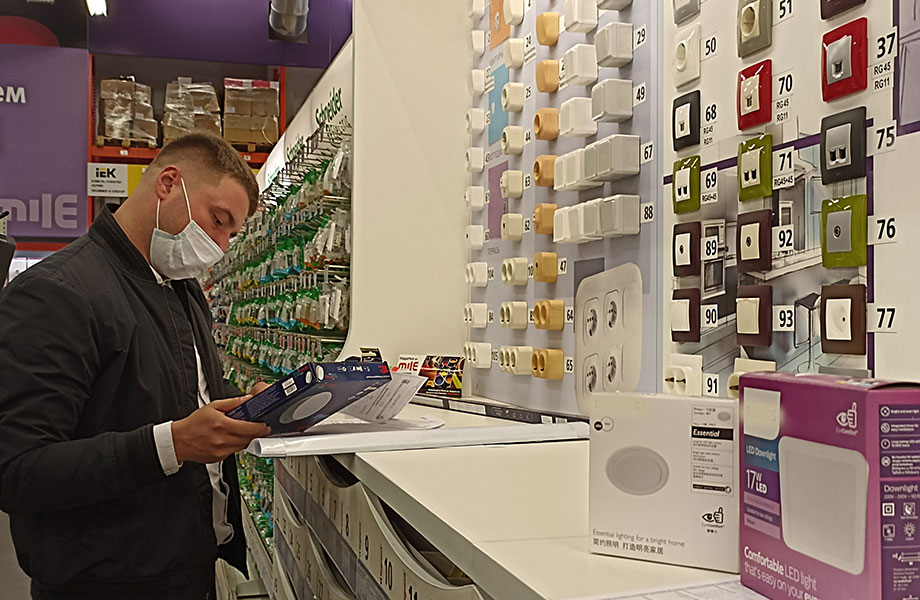
Belarus has always paid special attention to quality issues. The directions of this work are outlined in the programme "Quality 2021 – 2025" adopted at the level of the Government. The document includes measures both to develop the national quality infrastructure and to improve quality in the sectors.
A lot of work has been done in Belarus to develop the methodology of a systematic risk-based approach to the management of various aspects of organizations to improve its effectiveness.
The implementation and certification of management systems are aimed at improving the quality and competitiveness of Belarusian products, and the application of new knowledge and modern tools for effective management by domestic companies.
More than 7,800 systems concerning quality management, food safety, occupational health and safety, information security, environmental management, etc. have been certified in the country.
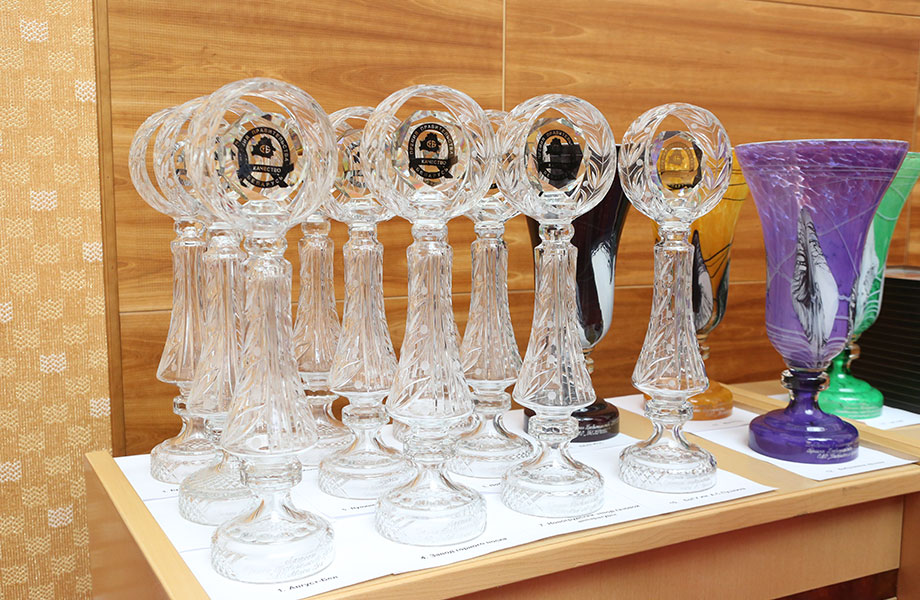
Gosstandart is an active supporter of the development of the quality competition movement. Organisations, their products and services, as well as managers, specialists and students, now have the opportunity to demonstrate their achievements and become the best.
The national energy saving and energy efficiency competitions are actively supported, with an extremely wide range of participants, from children to professionals.
All competitions are in continuous development, both in terms of criteria and approaches to evaluation, as well as informational support for the winners.
The energy saving policy has a systemic basis and is implemented through the state programme "Energy Saving". The effectiveness of the ongoing efforts to reduce the energy intensity of domestic GDP is confirmed by the International Energy Agency's data, according to which in 2019 the energy intensity of Belarus GDP decreased by 2.1 times the level of 2000. This is much more intensive than the decrease in energy intensity in an economically developed country like Sweden, and twice as intensive as in Canada, a country with similar climatic conditions. Compared to the industrially developed EAEU Member States, Belarus takes a leading position.
Saving of fuel and energy resources is achieved mainly through modernisation and technical re-equipment of production facilities with introduction of modern knowledge-intensive, resource- and energy-saving technologies, equipment and materials, including increased efficiency of technological processes with deepening of electrification of industrial production, maximum possible increase of local fuel and energy resources, including renewable energy sources, supervision of rational use of fuel and energy resources.
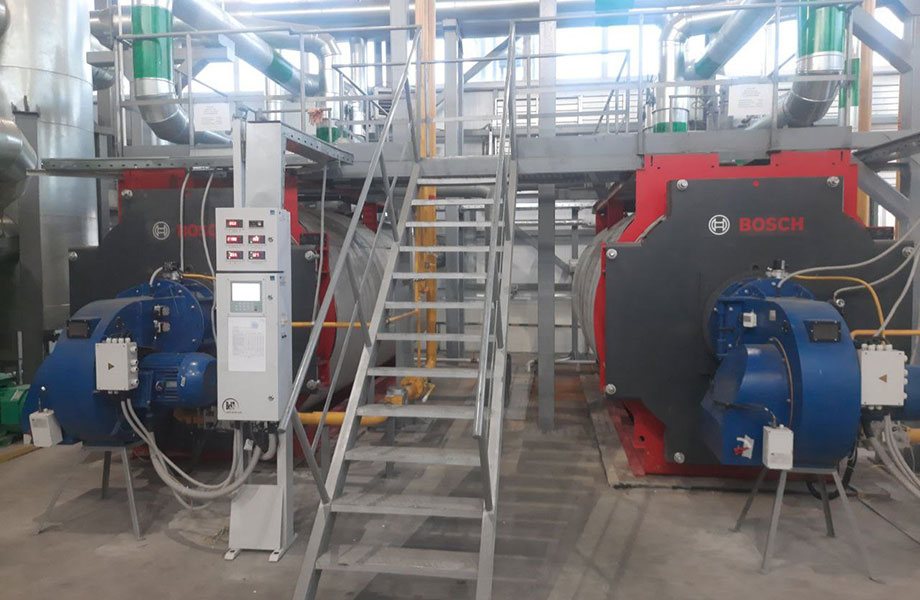
The bodies of state expertise and state construction supervision of Gosstandart carry out independent and effective control in the construction sphere.
Subordinate enterprises of these structures are accredited for compliance with international requirements for inspection bodies and successfully confirm this status in internal and external audits.
Expertise of project documentation enables customers to make safe and optimal decisions on the construction of facilities. In 2021, construction cost overruns of more than $840 million were prevented.
Modern technology dictates new progressive forms of work. Today we have already achieved a 90% level of electronic interaction with the applicants. Since the end of 2021 the organizations of RUE “Glavgosstroyekspertiza” have switched to a new modernized software product with modern architecture based on a number of microservices. Expertise of project documentation enables customers to make safe and optimal decisions on the construction of facilities. In 2021, construction cost overruns of more than $840 million were prevented.
Modern technology dictates new progressive forms of work. Today we have already achieved a 90% level of electronic interaction with the applicants. Since the end of 2021 the organizations of RUE “Glavgosstroyekspertiza” is also preparing for the application of information modelling technology (BIM) by studying and implementing it in-house. This will make it possible to be ready for this challenge, as BIM is already in active use in the partner countries. RUE “Glavgosstroyekspertiza” have switched to a new modernized software product with modern architecture based on a number of microservices.
RUE “Glavgosstroyekspertiza” is also preparing for the application of information modelling technology (BIM) by studying and implementing it in-house. This will make it possible to be ready for this challenge, as BIM is already in active use in the partner countries.
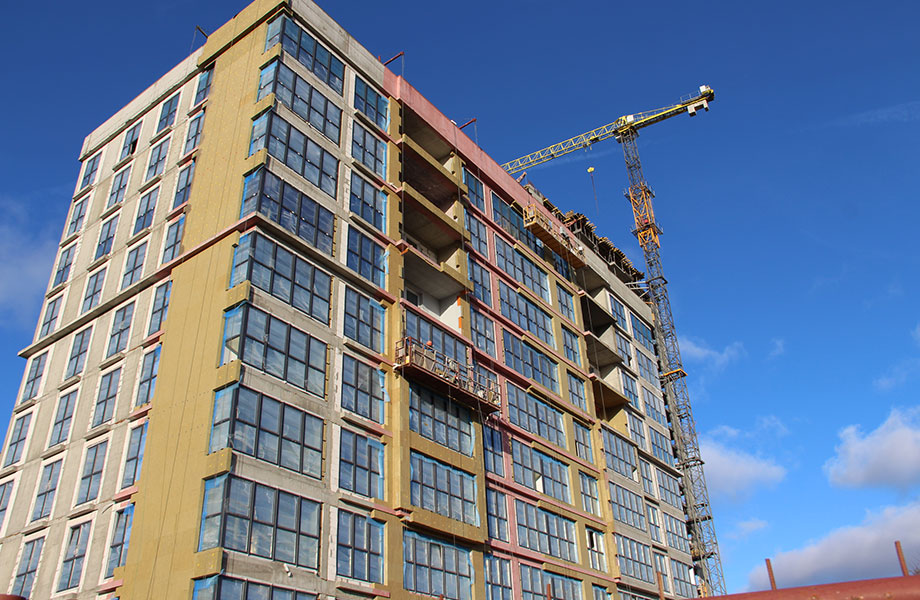
Strict supervision of compliance with the requirements of design documentation, safety and operational reliability of buildings and structures erected and reconstructed, as well as of the maintenance of construction sites, is carried out by inspections of the Department for construction control and supervision.
In exercising supervision, express performance monitoring devices are used, and modern technologies and production processes are taken into account.
In 2021 violations were detected at 7 185 construction sites in the country, which accounted for 82 % of all supervised sites. Construction and assembly works were suspended at 134 sites. Both preventive and administrative measures were applied to violators.
The use of uniforms and insignia will contribute to raising the status of Gosstroynadzor employees, their badges of rank and responsibility for the work performed.
Gosstandart is a member of international and regional organisations in its area of competence, takes an active position in the work within the integration entities in the post-Soviet space and develops business contacts on a bilateral level.
The development results achieved over the past 30 years and the existing human, scientific, technical and production potential provide a solid foundation for further development in the interests of the country's economy and society.
 The Council of Ministers of the Republic of Belarus